

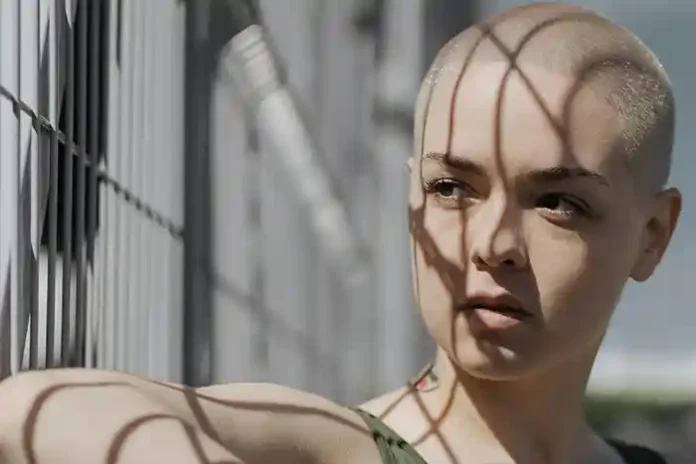
Fine art photography is often described as photography created for artistic expression, yet this definition alone does not explain why two photographs of the same subject can belong to completely different photographic traditions. A landscape may simply document a location, while another landscape created in the same place may communicate atmosphere, emotion, or an entirely personal interpretation.
The difference lies not primarily in the subject, but in the photographer’s intention. In fine art photography, technical decisions such as composition, light, colour, timing, focus, and perspective become tools for expressing an idea rather than simply recording reality.
Because artistic expression can take many forms, fine art photography cannot be reduced to a single visual style. Portraits, landscapes, architecture, still life, conceptual work, abstract images, and minimalist compositions may all belong to fine art photography when artistic interpretation becomes the primary objective.
Although there is no universally accepted classification system, photographers commonly recognise several recurring artistic directions. These categories are not strict rules but useful ways to understand how different creative intentions shape the final image.
This article introduces the major types of fine art photography, explains what distinguishes each approach, and shows how they relate to the broader idea of photography as an artistic medium rather than purely visual documentation.
If you are interested in seeing how these artistic principles are applied to floral subjects, you can also explore our Artistic Flower Photography collections.
Topics
What defines types of fine art photography?
Although photographers often refer to different “types” of fine art photography, these categories should not be understood as rigid genres with fixed boundaries. Fine art photography is fundamentally shaped by artistic intention, which means that a single photograph may share characteristics with several approaches at the same time.
For example, an architectural image may also be minimalist. A portrait may communicate a conceptual idea. A landscape may contain strong abstract qualities. These overlaps are common because artistic expression rarely follows strict classifications.
The purpose of these categories is therefore practical rather than absolute. They provide a framework for understanding how photographers approach similar subjects with different artistic priorities.
Throughout this article, each type is introduced according to its dominant visual characteristics rather than as an isolated or exclusive genre.
Common Characteristics of Fine Art Photography
Although the following sections describe different artistic directions, they also share several characteristics.
Rather than documenting events or objects exactly as they appear, fine art photography generally places greater emphasis on interpretation, visual design, atmosphere, and personal expression. The subject itself often becomes less important than the way it is presented.
Many fine art photographs simplify reality instead of reproducing it literally. Careful use of composition, light, colour, tonal relationships, texture, negative space, and symbolism allows familiar subjects to communicate something beyond straightforward visual description.
For this reason, the boundaries between different types of fine art photography remain flexible. What ultimately connects them is not subject matter alone but the photographer’s artistic intention.
Several of these characteristics can be observed throughout our Fine Art Photography galleries.
1. Fine Art Portraiture
Fine art portraiture goes beyond recording a person’s appearance. While a traditional portrait often focuses on identity or likeness, a fine art portrait uses the human figure to communicate mood, symbolism, or an emotional narrative.
Expression is frequently the strongest visual element. A subtle gesture, an unusual facial expression, or the relationship between the subject and the surrounding space may become more important than physical appearance itself. Rather than simply asking “Who is this person?”, the photograph encourages viewers to ask “What does this image communicate?”
The environment also plays an important role. A carefully chosen location, distinctive clothing, unusual objects, or controlled lighting can all contribute to the artistic meaning of the portrait. In some photographs, the surrounding space becomes as expressive as the subject, reinforcing feelings such as isolation, mystery, elegance, or contemplation.
Unlike conventional portrait photography, where accurate representation is often the primary goal, fine art portraiture allows creative interpretation to shape every element of the final image. Composition, atmosphere, colour, and symbolism work together to transform a simple portrait into an expressive artistic statement.


2. Conceptual photography
Conceptual photography is one of the most idea-driven forms of fine art photography. Instead of focusing primarily on visual beauty, it begins with a concept, question, or message that the photographer wishes to communicate.
Every element within the frame is selected because it contributes to that central idea. Composition, location, objects, perspective, and timing become visual tools that support the underlying concept rather than existing for aesthetic reasons alone.
Unlike digital illustration or surreal image manipulation, conceptual photography does not necessarily depend on heavy editing or imaginary scenes. Many conceptual photographs are created entirely from real subjects arranged in meaningful ways. Their strength lies in interpretation rather than visual complexity.
A conceptual photograph may appear ordinary to one viewer while carrying a powerful meaning for another. Cultural background, personal experience, and social context often influence how the image is understood.
For example, the following photograph shows a satellite dish surrounded by a simple wooden enclosure. In many countries this might appear completely unremarkable. Within rural Iran, however, the image carries a different meaning. Since satellite television reception has long been restricted, the wooden structure represents a practical solution developed by local residents to conceal the dish while maintaining reception. The photograph therefore documents more than an object—it quietly reflects the relationship between everyday life, regulation, and adaptation.
Not every fine art photograph is conceptual. Likewise, not every conceptual photograph belongs to fine art photography. The two approaches overlap, but neither completely defines the other.


3. Still life Photography
Still life photography transforms ordinary objects into carefully designed visual compositions. Rather than relying on dramatic subjects, it demonstrates how arrangement, lighting, colour, texture, and balance can give familiar objects new artistic significance.
Flowers, fruit, books, ceramics, glassware, fabrics, kitchen utensils, and many everyday objects can all become subjects for still life photography. What distinguishes fine art still life is not the objects themselves but the thoughtful relationships established between them.
Composition plays a central role. The placement of each object influences visual balance, rhythm, negative space, and the direction of the viewer’s attention. Light is equally important, defining texture, shape, and atmosphere while simplifying unnecessary detail.
Unlike commercial product photography, where the objective is often to present an object clearly, fine art still life seeks interpretation rather than description. The objects become visual elements within an expressive composition, encouraging viewers to appreciate form, colour, and atmosphere instead of simply recognising familiar items.
Although still life often appears quiet and uncomplicated, successful compositions usually depend on careful planning and subtle visual decisions that are not immediately apparent to the viewer.


4. Fine Art Architectural Photography
Architecture is often photographed to document buildings, preserve historical records, or illustrate design. Fine art architectural photography follows a different objective. Rather than presenting a building as an architectural document, it interprets architecture as a visual subject capable of expressing atmosphere, structure, rhythm, and emotion.
The artistic impact of an architectural photograph rarely depends on the building alone. Perspective, light, weather conditions, reflections, symmetry, geometry, and the relationship between positive and negative space all influence how the structure is perceived. The photographer deliberately selects these elements to transform familiar architecture into an expressive composition.
In many cases, the identity of the building becomes less important than its visual character. Repeating patterns, strong lines, shadows, curves, or carefully controlled symmetry may become the dominant subject of the image.
Post-processing can further support this interpretation by refining tonal relationships, simplifying distractions, or emphasising the visual qualities already present within the scene. The purpose is not to alter reality for its own sake, but to strengthen the artistic vision established during the photographic process.
Fine art architectural photography therefore moves beyond documentation and invites viewers to experience buildings through interpretation rather than information.


5. Fine art landscape photography
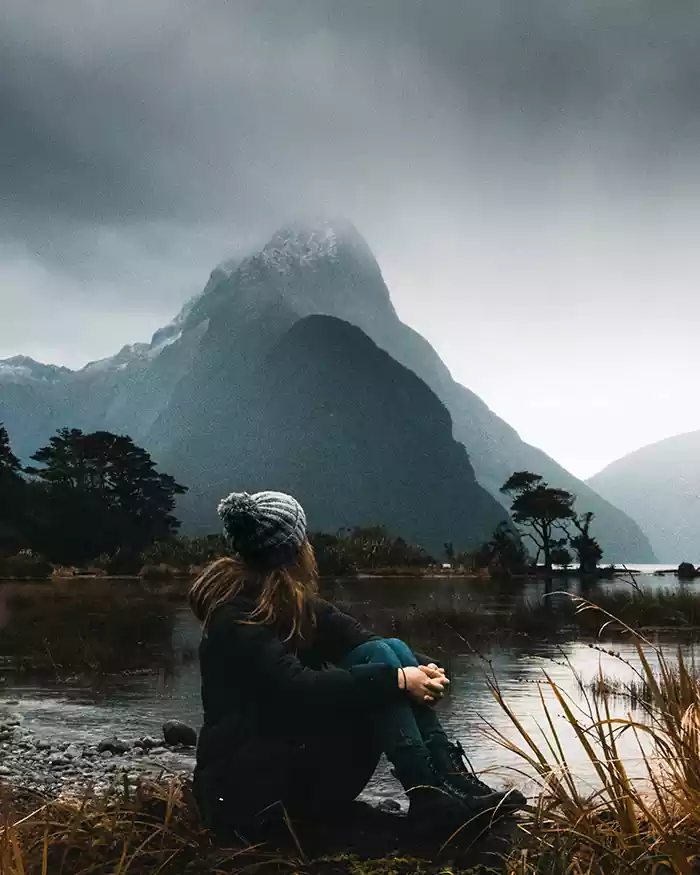
Landscape photography records the natural world. Fine art landscape photography interprets it.
Although both may begin with the same location, their intentions differ significantly. Traditional landscape photography often aims to represent a place faithfully, while fine art landscape photography uses the landscape as a medium for personal expression.
Composition, weather, seasonal change, light, atmosphere, colour relationships, and perspective become expressive tools rather than descriptive ones. A familiar scene may be transformed into an image that communicates solitude, calmness, mystery, or quiet drama instead of geographical information.
Many fine art landscape photographs simplify reality. Rather than including every visible detail, they often emphasise only those visual elements that contribute to the intended atmosphere. This selective approach allows viewers to experience the landscape emotionally as well as visually.
For this reason, two photographers standing in exactly the same location can produce entirely different fine art images. The artistic value does not arise from the place itself but from the photographer’s interpretation of it.
Related Collection
Explore our Fine Art Landscape Photography gallery to see how natural scenes can be interpreted beyond simple documentation.
6. Fine Art Black and White Photography
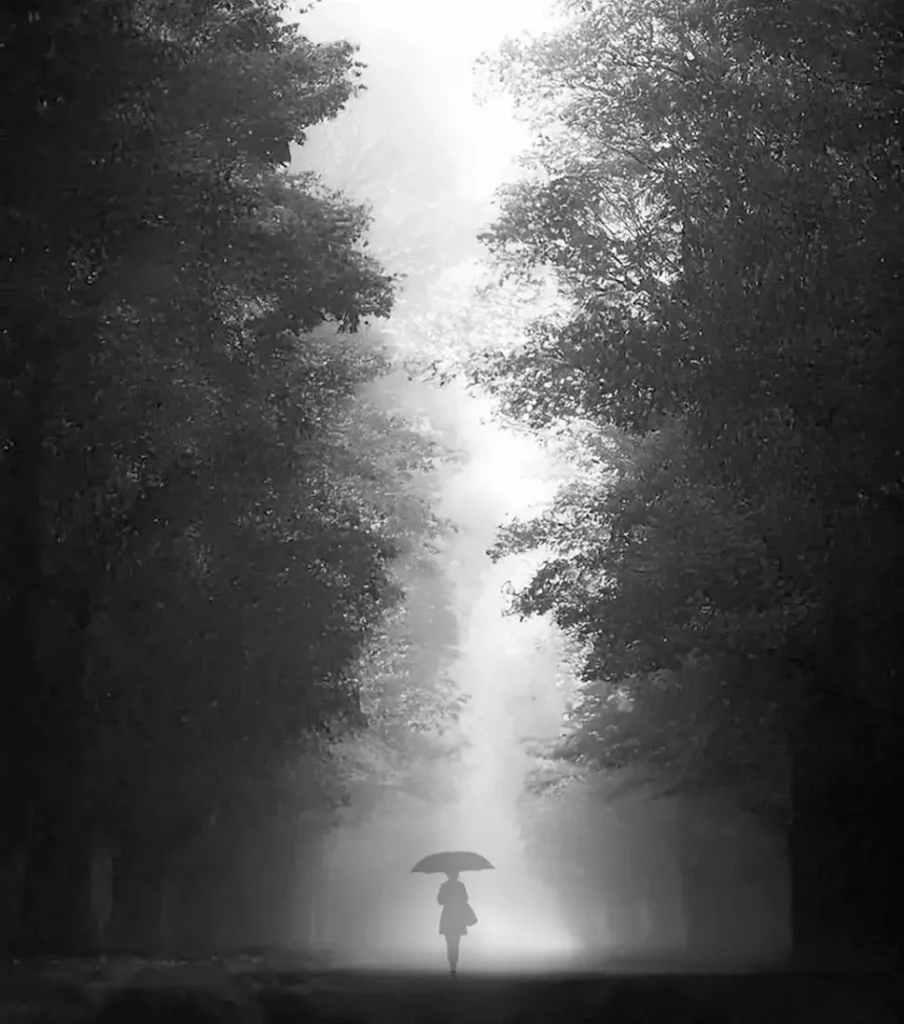
Removing colour changes far more than the appearance of a photograph. It fundamentally changes the way visual information is perceived.
Fine art black and white photography relies on tonal relationships rather than colour contrast. Light, shadow, texture, shape, and composition become the primary elements through which atmosphere and emotion are communicated.
Without colour to guide attention, viewers often become more aware of structural qualities within the image. Patterns, geometry, subtle textures, and the balance between highlights and shadows gain greater visual importance.
Choosing black and white is therefore not simply a stylistic preference or a nostalgic effect. It is an artistic decision that simplifies visual information in order to emphasise form, mood, and visual relationships that might otherwise remain secondary in colour photography.
Many subjects can be photographed successfully in black and white, but the strongest fine art images are usually those in which tonal structure contributes directly to the artistic intention rather than merely replacing colour.
Explore Related Galleries
Discover how tonal relationships and visual simplicity shape our Black and White Fine Art Photography collection.
7. Abstract Fine Art Photography
Abstract fine art photography shifts attention away from identifying subjects and towards experiencing visual relationships.
Instead of asking viewers to recognise what an object is, abstract photography encourages them to observe shape, line, texture, colour, light, rhythm, and spatial balance. Familiar subjects often remain present, but they no longer dominate the visual experience.
Abstraction can be achieved in many different ways. Close framing, selective focus, intentional movement, reflections, unusual perspectives, or simplified compositions may all reduce recognisable detail while strengthening visual structure.
Unlike complete visual chaos, successful abstract photography maintains internal order. Balance, rhythm, repetition, contrast, and harmony continue to guide the composition even when the original subject becomes difficult to identify.
The result is a photograph that invites interpretation through perception rather than recognition, allowing viewers to engage with visual form before they search for literal meaning.
Explore Related Collections
Continue exploring abstraction in our Abstract Photography and Abstract Nature Photography galleries.
8. Minimalist Fine Art Photography
Minimalist fine art photography is based on deliberate reduction. Rather than adding visual complexity, it removes unnecessary elements until only the most essential relationships remain.
This simplicity does not imply a lack of content. Instead, it allows small differences in balance, proportion, colour, light, and negative space to become more visually significant.
Because fewer elements remain within the frame, every decision carries greater importance. The placement of a single object, the direction of light, or the amount of surrounding empty space can dramatically influence the emotional impact of the final photograph.
Minimalism also encourages slower observation. Images that initially appear simple often reveal increasingly subtle relationships as viewers spend more time exploring them.
Within fine art photography, minimalist compositions demonstrate that visual strength does not necessarily arise from complexity. Careful reduction can be just as expressive as elaborate composition.
The Evolution of Fine Art Photography
Fine art photography did not emerge overnight. During the nineteenth century, photographers gradually began using the camera not only to document people, places, and events, but also to explore artistic expression. As photography developed, it became increasingly recognised as a creative medium capable of conveying personal vision rather than simply recording reality.
Early fine art photographers often worked with portraiture, landscapes, and still life because these subjects offered greater control over composition and lighting. As artistic movements evolved throughout the twentieth century, photographers expanded their visual language to include abstraction, conceptual work, minimalism, and many other expressive approaches.
Today, fine art photography is no longer defined by a particular subject. Instead, it is recognised by the photographer’s intention to interpret rather than merely describe the visible world.
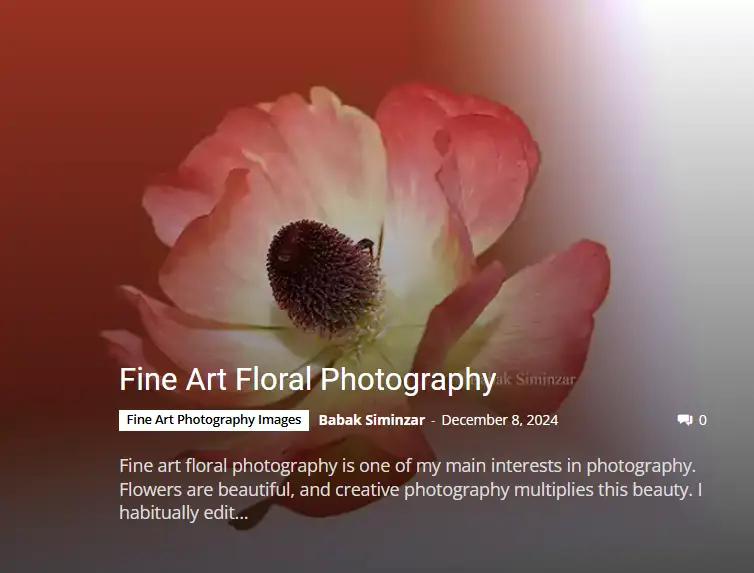
Many principles of composition, tonal harmony, and visual simplicity found in still life photography also appear throughout our Fine Art Floral Photography collections.
Fine art photography examples


How These Types Often Overlap
Although these artistic directions are presented separately, real photographs rarely fit into only one category.
A single image may combine several approaches at the same time. For example, a minimalist landscape can also be abstract. An architectural photograph may rely heavily on black and white tonal relationships. A portrait may communicate a conceptual idea while remaining visually minimalist.
These overlaps should not be viewed as contradictions. Instead, they demonstrate the flexibility of fine art photography and the freedom photographers have to combine different artistic approaches in pursuit of a personal visual language.
Understanding these relationships helps photographers move beyond labels and concentrate on the creative decisions that shape each image.
Which Type of Fine Art Photography Is Right for You?
There is no single type of fine art photography that is more artistic than another. Each approach offers different creative possibilities and encourages photographers to interpret the world from a unique perspective.
Some photographers are drawn to the emotional depth of portraiture, while others prefer the quiet simplicity of minimalism or the visual ambiguity of abstraction. Many eventually develop a personal style that combines elements from several artistic directions rather than remaining within a single category.
Exploring different types of fine art photography is therefore less about choosing one genre and more about discovering the visual language that best reflects your own artistic vision.
Conclusion
The different types of fine art photography should be viewed as complementary artistic approaches rather than isolated genres. While each type has its own visual characteristics, all share the same fundamental goal: transforming photography from simple documentation into a medium for creative interpretation.
Whether the subject is a landscape, a portrait, a building, or an everyday object, artistic intention remains the defining characteristic. Composition, light, colour, atmosphere, symbolism, and personal vision work together to create images that communicate something beyond literal appearance.
As photographers continue developing their own visual language, they often move freely between several of these approaches. Understanding the characteristics of each type provides a useful foundation, but personal interpretation ultimately shapes the most meaningful fine art photography.
