

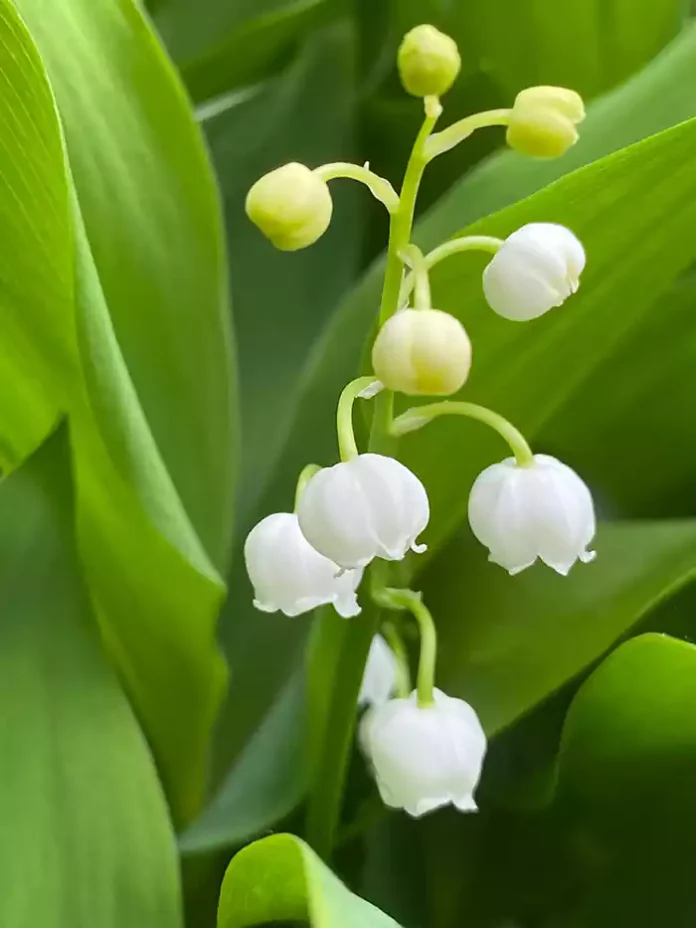
Macro flower photography becomes easier with practice and experience, but lighting remains one of the biggest challenges in close-up photography. Light directly affects texture, color, shadows, and fine details that become highly visible at macro distances. In this article, you will learn several simple macro flower photography lighting techniques using both natural and artificial light.
Topics
- Do you really need expensive lighting equipment for macro flower photography?
- Natural Light for Macro Flower Photography
- Front Light and Backlight in Flower Photography
- Low-Light Macro Flower Photography
- Overexposure in Macro Flower Photography
- Using Flash in Macro Photography
- Building a Simple Home Lighting Setup
- Conclusion
- Sources
Do you really need expensive lighting equipment for macro flower photography?
There are many professional lighting systems designed for macro photography, including LED macro lights and adjustable flash arms. However, this article focuses mainly on simpler and more affordable lighting methods.

Natural Light for Macro Flower Photography
Natural light is often one of the best lighting sources for macro flower photography because it creates softer transitions and more balanced shadows than many artificial light sources. Strong artificial lighting can sometimes produce harsh contrast on delicate flower petals.
Sunlight changes throughout the day, which affects both white balance and the atmosphere of the image. Morning, afternoon, and midday sunlight can produce very different visual results in macro flower photography.
At extreme close-up distances, floral subjects can sometimes appear almost abstract because of their textures, colors, and repeating shapes.
To achieve natural-looking results, white balance should remain consistent with both the flower’s colors and the lighting conditions of the scene.
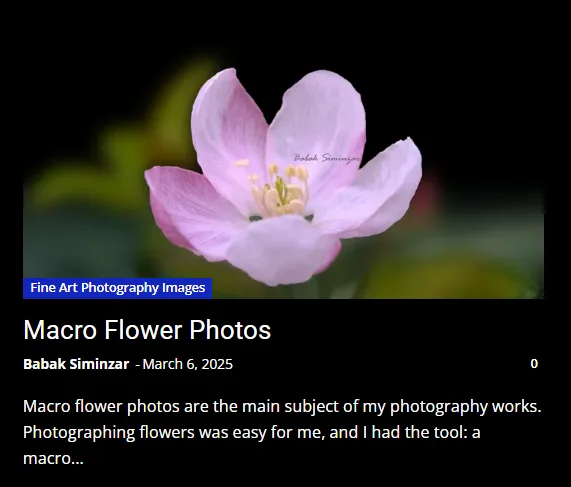
Please take a look at Macro Flower Pictures to see more macro flower images
Many photographers recommend early morning or late afternoon as the best time for macro photography because the light is softer. However, strong midday light can also produce excellent results when exposure and white balance are carefully controlled.

Front Light and Backlight in Flower Photography
Photographing directly toward a strong light source may sometimes create exposure problems, but placing the light behind the flower can produce glowing petals, soft outlines, and more atmospheric macro photographs.
Many photographers also explore similar close-up textures and abstract floral details in fine art macro photography compositions.
Low-Light Macro Flower Photography
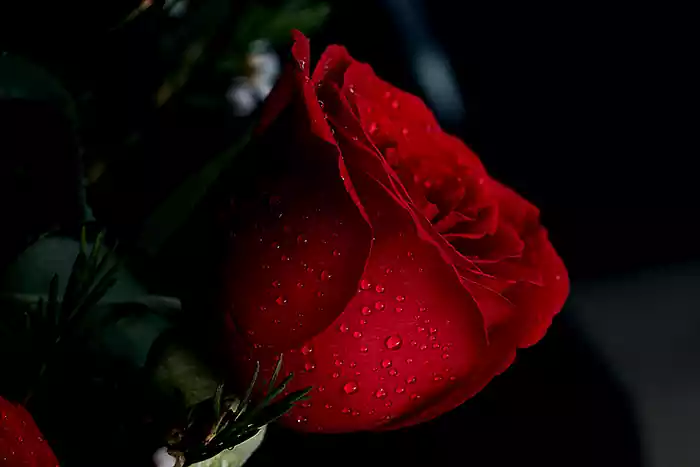
Low-light photography can create dramatic and visually striking flower images. Dark backgrounds and selective lighting often emphasize texture, contrast, and detail while creating a more artistic atmosphere. Using a tripod is usually necessary in these conditions.
Atmospheric lighting and close-up floral details are also commonly used in artistic macro photography to create more expressive macro images.
Overexposure in Macro Flower Photography
In some situations, intentional overexposure can create soft and attractive visual effects, especially when photographing bright flowers or delicate petals.

Using Flash in Macro Photography
When ambient light is limited, using flash can help reveal fine details and improve image sharpness. In many situations, the camera’s built-in flash may already provide enough light for close-up flower photography.

Building a Simple Home Lighting Setup
Simple reading lamps can work surprisingly well as inexpensive lighting sources for indoor macro flower photography. Using multiple light sources may also help reduce strong shadows on flowers.
Shadows appear because flowers have complex three-dimensional shapes that block light from reaching certain parts of the subject. Reflective surfaces can help soften shadows by redirecting light toward darker parts of the flower from different angles.
Diffusing artificial light can significantly improve image quality in macro flower photography. Soft reflected light usually creates smoother shadows and more balanced illumination than direct lighting.
Instead of mirrors, photographers can also use glossy white cardboard or reflective white surfaces to bounce light back toward flowers during macro photography sessions.
Conclusion
Natural light in different situations is the best for macro flower photography lighting. If you need to use artificial light, you can build a cheap studio with wood, mirrors, and reading lights.
