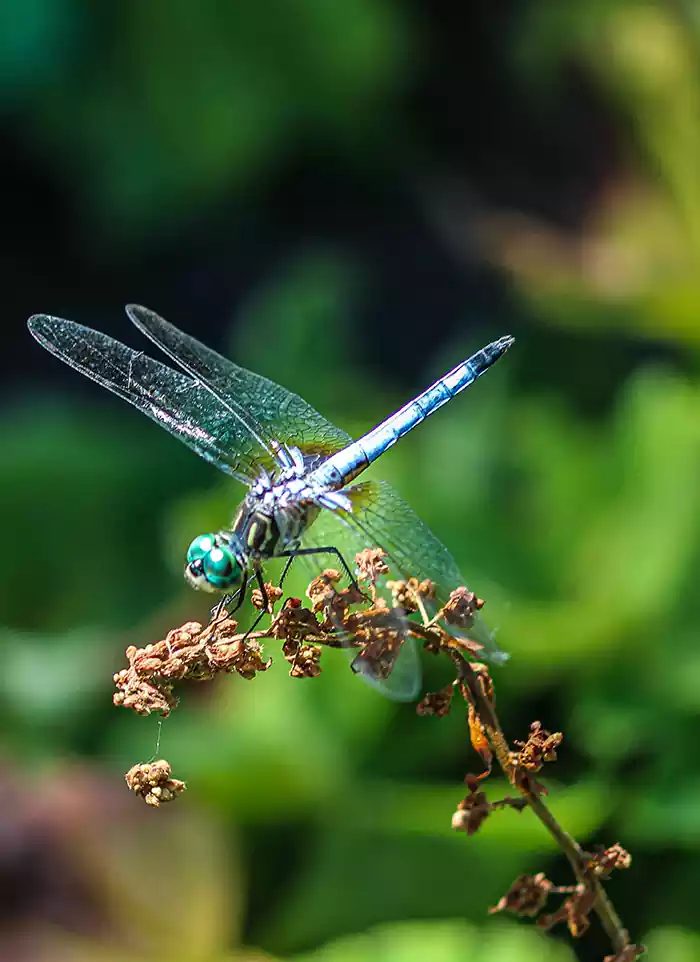
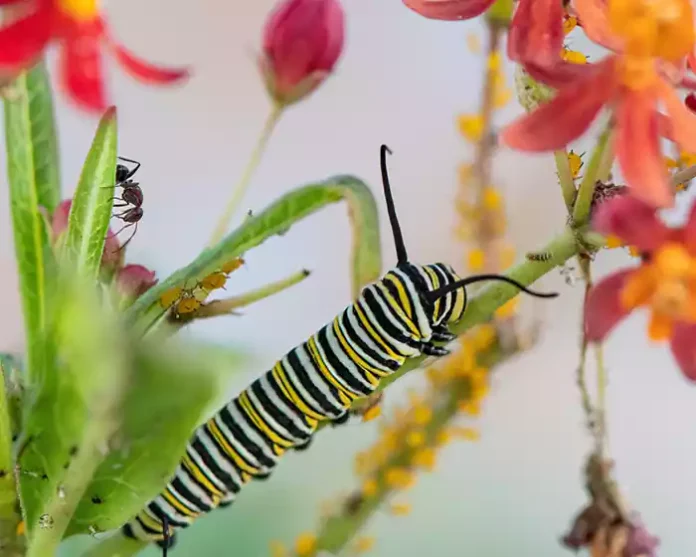
Insect photography may look difficult at first because insects are small, fast, and often hidden in nature. However, with patience, observation, and the right approach, it becomes one of the most rewarding areas of nature photography. In this insect macro photography tutorial, you will learn how to find insects, choose better shooting angles, improve camera settings, and capture more detailed and creative macro images.
Topics
How to find subjects for insect macro photography
Insects are everywhere around us, but because of their small size, we often overlook them. Plants, flowers, tree branches, and leaves are among the best places to search for insects. Some insects remain motionless for long periods, while others move quickly between plants and flowers.
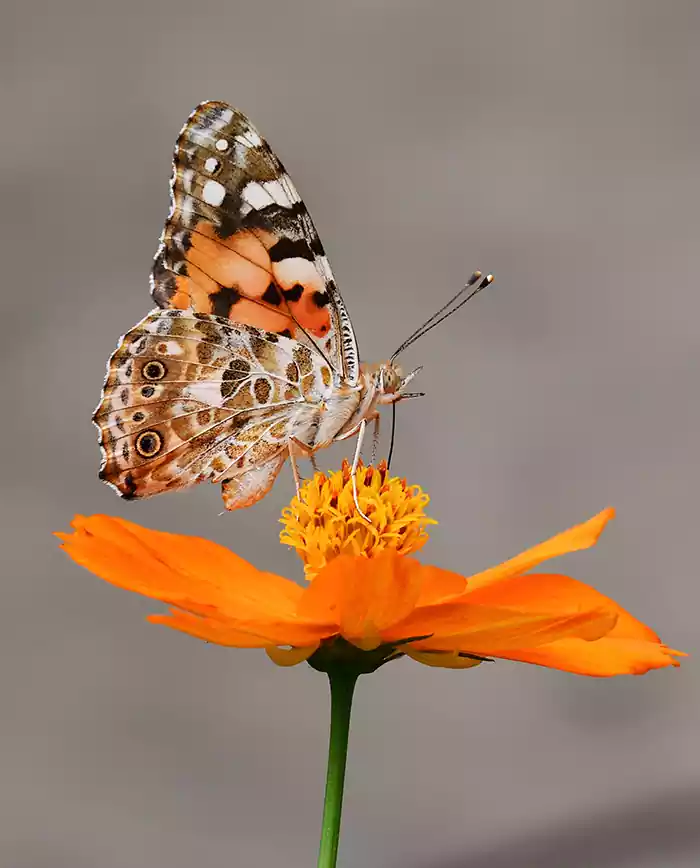
Gardens, parks, forests, and even small backyards can become excellent places for insect photography. Early morning is often the best time to search for insects because cooler temperatures slow their movement. Insects feeding on flowers can also create visually rich compositions that combine insect details with natural floral backgrounds. These types of close-up nature scenes are also explored in artistic flower photography.
Camera Settings for Insect Macro Photography
Most insects move constantly and rarely remain still for more than a few seconds, so fast camera response is important. Image stabilization can help reduce camera shake, especially when shooting handheld. Continuous autofocus and burst shooting modes may also improve your chances of capturing sharp insect photos. The visual textures and tiny details found in these close-up scenes are often explored further in fine art macro photography.
If you prefer manual settings, a relatively fast shutter speed such as 1/250 or higher can help freeze movement and reduce blur caused by camera shake. Because macro photography often involves limited light, using a wider aperture such as f/2.8 or f/4 can help maintain brightness while keeping the subject separated from the background.
If the scene is still too dark, increasing the ISO may be necessary. Modern cameras can usually handle moderate ISO values without significantly reducing image quality. Finding a balance between shutter speed, aperture, and ISO is one of the key challenges in insect macro photography.

Choosing the Best Angle for Insect Photography
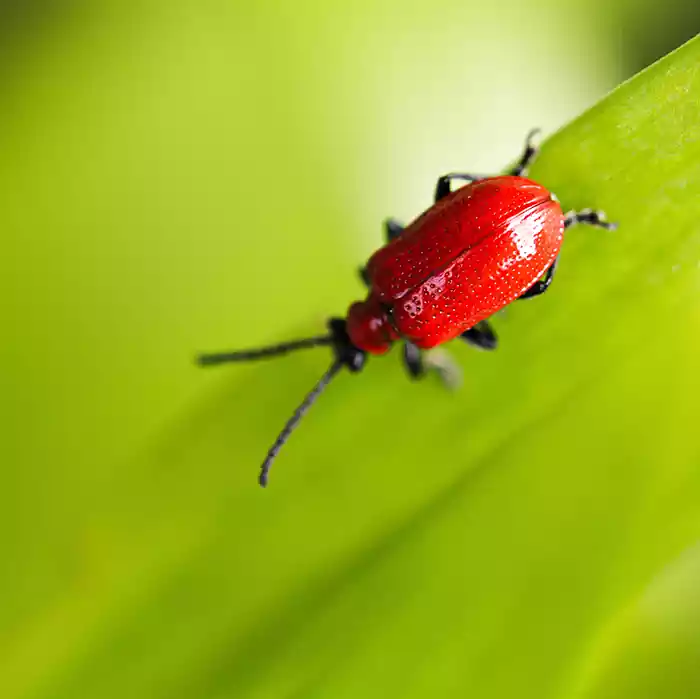
Many photographers naturally photograph insects from above because the patterns and colors on their backs are often visually striking. While this angle can produce attractive images, repeating the same perspective may eventually make photos feel predictable. Similar close-up perspectives are also explored in macro flower photography.
For more creative insect photos, try shooting from a lower angle close to the insect’s eye level. This perspective can reveal details of the legs, body structure, and surrounding environment while making the image feel more immersive and dynamic.
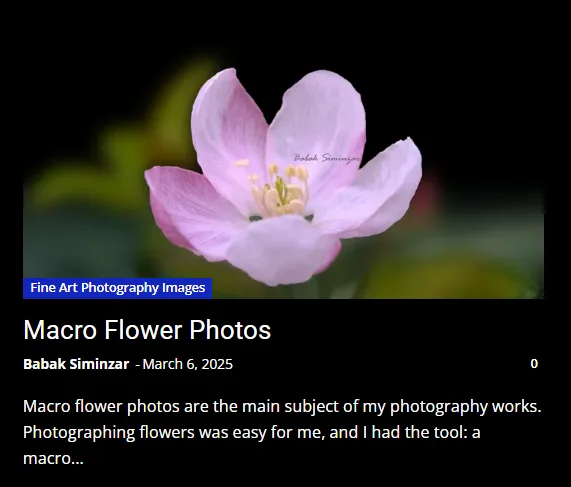
Please take a look at Macro Flower Pictures to see more macro flower images
Front-facing insect photos are less common but often much more engaging. Capturing the insect from the front allows the eyes, antennae, and facial structures to become the visual focus of the image. Because insects have highly varied shapes and textures, these close-up portraits can appear unusual and visually fascinating.to other animals and are very diverse.
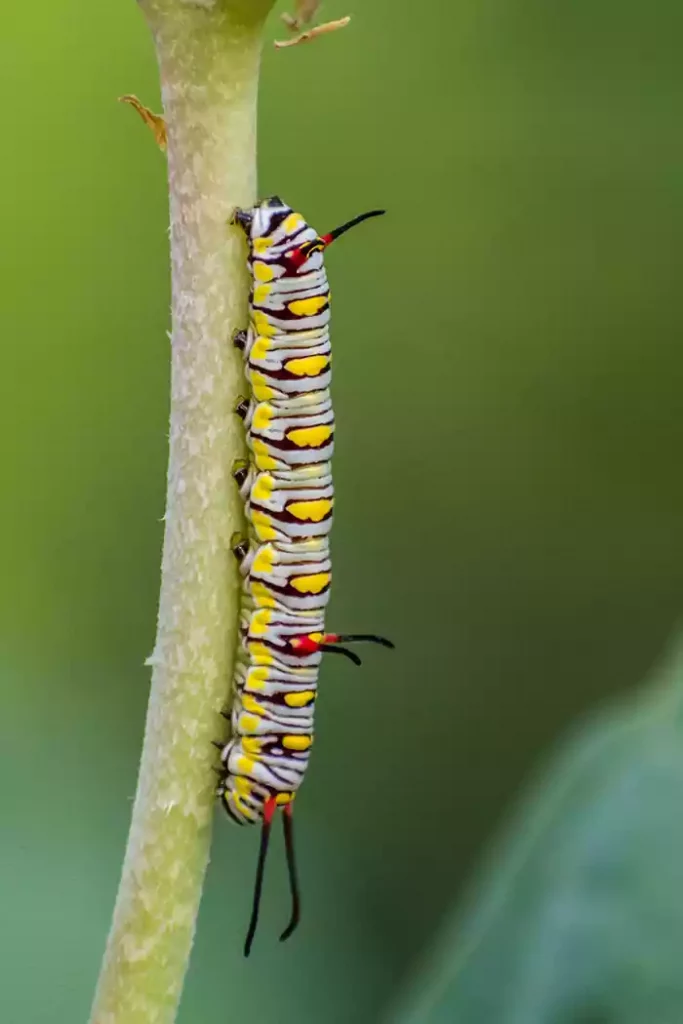
Best macro lens for shooting insects
Insects are usually very small subjects, which makes magnification extremely important in macro photography. A dedicated macro lens allows photographers to capture fine details such as wings, eyes, textures, and small body structures that are difficult to record with standard lenses.
Not every macro lens is equally suitable for insect photography. Short focal length macro lenses, such as 35mm models, require photographers to move very close to the subject. At such short distances, insects are far more likely to escape before the photo is taken.
Macro lenses with focal lengths between 90mm and 150mm are generally more effective for photographing insects. These lenses provide greater working distance while still offering strong magnification and detailed image quality.
Why Patience Matters in Insect Photography
Unlike static subjects, insects move unpredictably and often disappear quickly. Successful insect photography usually requires patience and careful observation rather than fast shooting alone. Spending time watching insect behavior can help photographers anticipate movement and capture more natural moments.

Final Thoughts
In this insect macro photography tutorial, you learned how important observation, patience, camera settings, and shooting angles are when photographing insects. Searching carefully among plants and flowers, using suitable macro lenses, and experimenting with lower or front-facing perspectives can help create more engaging and detailed images. With practice, insect macro photography becomes an excellent way to explore small natural details that are often ignored in everyday life.