


Flowers are the source of natural beauty, and creative flower photography is an art that allows the photographer to show these plants’ beauty.
We can photograph flowers in different ways. For example, when you see a beautiful flower, you can stand in front of the flower, adjust the camera and take a photo of the flower; this is called flower photography. Still, it will definitely not be a creative flower photography.
In creative photography, the photographer creates a particular photo of a flower by changing the camera angle, the background, and the light angle and its amount, which multiplies the beauty of the flower.
Topics
- Think differently!
- Why is it important to photograph flowers from different angles?
- Close-up creative flower photography
- Using a wide aperture and blurred background in flower photography
- From Creative to Fine Art Flower Photography
- Use a black background
- Shooting with different exposures
- Changing the color of flowers in the editing stage
- Dreamy creative flower photography
- An ugly flower can be the subject of a creative flower photography
- Finally, follow your taste
- Sources
Think differently!
Let’s say you want to photograph a flower from the front. Is this the best possible angle for photography? Maybe not! What would it look like if we took a picture from the side? Or what if we shoot in low light?
Why is it important to photograph flowers from different angles?
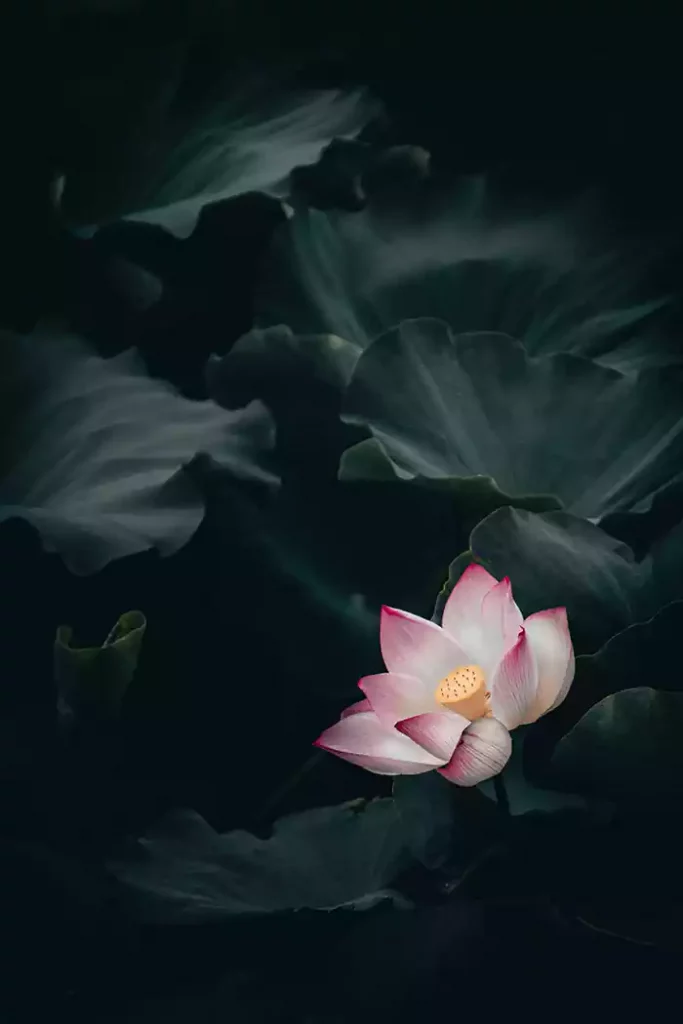
Flowers and their parts, such as petals and stamens, have different shapes, so changing the angle can change the overall picture.
I like shooting from the side more than from the front because it gives the flower a mysterious appearance.
Over time, photography can move beyond documentation into interpretation, a shift that defines fine art photography.
Close-up creative flower photography
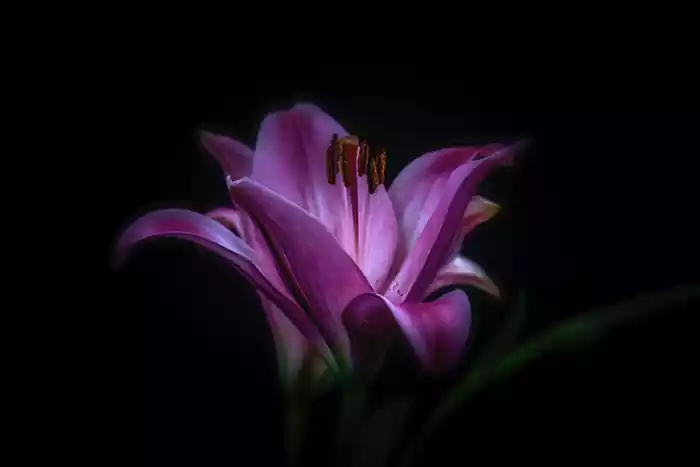
Close-up photography can be creative when flags and petals fill the surface of the image. However, one should not overdo it in approaching the flower because the result will be an abstract image, not flower photography.
In abstract flower photography, the aim is to make the image lose its essence, so that the viewer cannot recognize the subject as a flower at first glance.
On the contrary, in creative flower photography, the viewer must fully understand that he is looking at a flower photo and enjoying its beauty.
Using a wide aperture and blurred background in flower photography
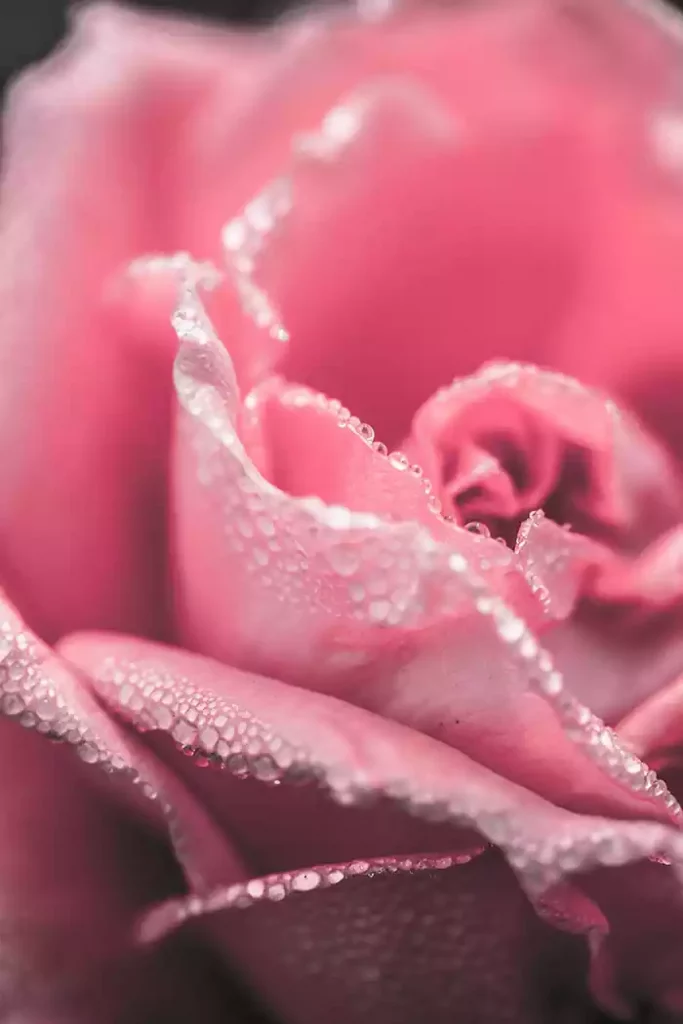
It is a method that can use a slow shutter speed simultaneously with a wide aperture, so it has the advantage that we can also use it in low light.
The second advantage is that it creates a blurred background, which draws the audience’s attention to the flower in the center of the photo. The background blurring has an extraordinary impact on the audience’s mind.
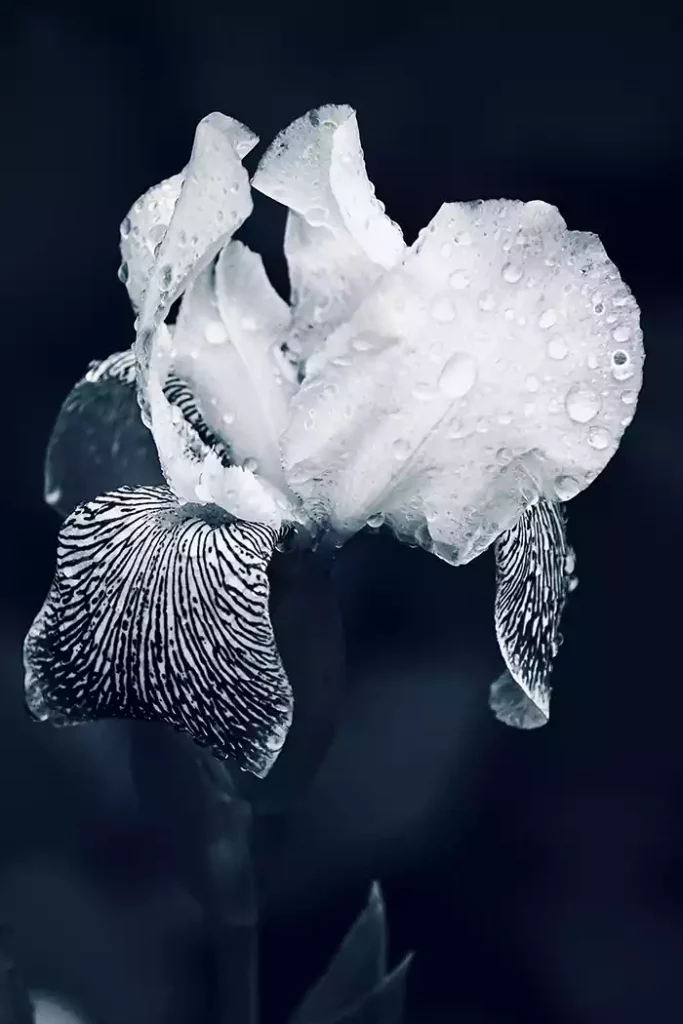
From Creative to Fine Art Flower Photography
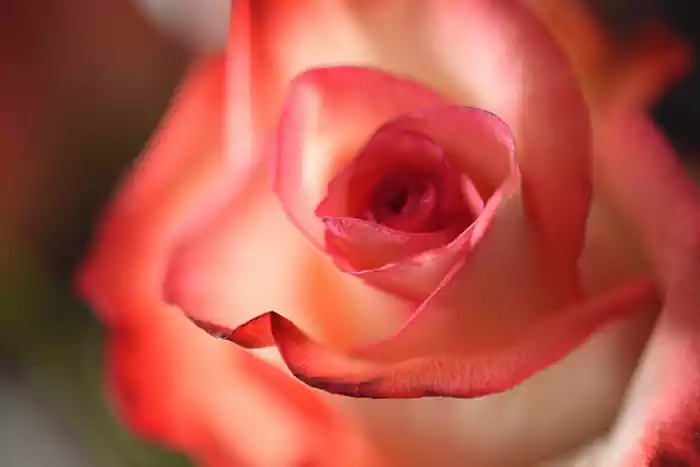
Creative flower photography often begins with experimentation — exploring light, color, composition, and perspective to produce visually engaging images. This stage allows photographers to develop sensitivity to form and detail while testing different visual approaches.
Experimenting with light, color, and composition often leads toward artistic flower photography, where creativity plays a central role in shaping the final image.
Over time, however, this exploration can evolve into something more focused. Instead of emphasizing variation, the image begins to reflect intention. Choices become more selective, and the photograph shifts from being visually interesting to being conceptually coherent.
Fine art flower photography emerges from this transition. It is less concerned with variety and more with consistency, atmosphere, and interpretation. The subject remains the same, but the approach becomes quieter, more deliberate, and often more restrained.
If you are interested in how this shift develops into a more structured artistic practice, you can explore our detailed guide on fine art flower photography
Use a black background
Some photographers prefer to use a black background in the post-processing stage. This method has a good effect, but not in all cases; it is better to try it yourself. As far as I can tell, it works well on the red rose.


Shooting with different exposures
One creative flower photography tip is to use different lighting conditions. We have accepted that photography should be done in the right light, but the reality is that you can get creative photos by taking pictures in low light and making adjustments in post-processing.
The following flower photography theme is placing the light source behind the flower and facing the light. This will require editing, but the result will be unique.


Changing the color of flowers in the editing stage
Some photographers like to change the flower’s color in general to harmonize it with the background. This method takes us a little away from the real world and is more similar to fine art photographic works of flowers.
Please take a look at Fine Art Floral images Gallery to view more photos
I change the quality and quantity of the color to a certain extent to make the image more attractive, but I avoid changing the color altogether. However, it cannot be denied that creative flower photography is closely related to fine art flower photography.

Dreamy creative flower photography
You can do things in the dreamy flower photography style with pictures of light or white flowers and backgrounds. These pictures can convey a kind of softness and peace; maybe you can see a book, white cups, white woven laces, or a watch.
White and bright colors dominate this style; sometimes, a white fog, either natural or created in the post-processing stage, appears in the photo.
The purpose of this style is to induce a sense of calmness in the audience, similar to the feeling that comes to a person in a beautiful dream. One of its characteristics is the blurring of the edges, especially with the use of white color.

An ugly flower can be the subject of a creative flower photography
We should not always look for gorgeous flowers! A beautiful image is created with creativity, imagination, and harmony, even if the flower subject is not very interesting.

Finally, follow your taste
Each of us has an artistic taste inside. Follow your own taste, and you will discover new ways on this path. It is essential that the result be special and attract the attention of the audience. Good luck.
