

Black and white photography is more than simply removing color from an image. Without color, photographers must rely on contrast, texture, light, shadows, composition, and emotional atmosphere to create visually powerful photos. In this guide, we will explore several important black and white photography techniques that can help improve both artistic and technical aspects of monochrome photography.
Topics

Black and white photography history
Black and white photography developed in the early years of photography through experiments with light-sensitive chemical surfaces. One of the pioneers of early photography was the French inventor Joseph Nicéphore Niépce, who successfully recorded one of the first permanent photographic images.
One of the earliest surviving black and white photographs was created in the 1820s using this early photographic process.
How to Create Black and White Photos with DSLR Cameras
Which Cameras Work Best for Black and White Photography?
Dedicated monochrome cameras can produce exceptional black and white image quality, but they are expensive and not necessary for most photographers. Standard DSLR and mirrorless cameras are fully capable of producing strong black and white photos, especially when color images are converted during post-processing. Many photographers prefer editing black and white images later because it provides greater control over tones, contrast, and texture.
Black and white photography techniques tips
Using Filters in Black and White Photography
Editing software such as Photoshop includes digital color filters designed to simulate traditional physical filters used in black and white photography. These filters influence tonal contrast and can significantly change the appearance of skies, plants, skin tones, and textures.
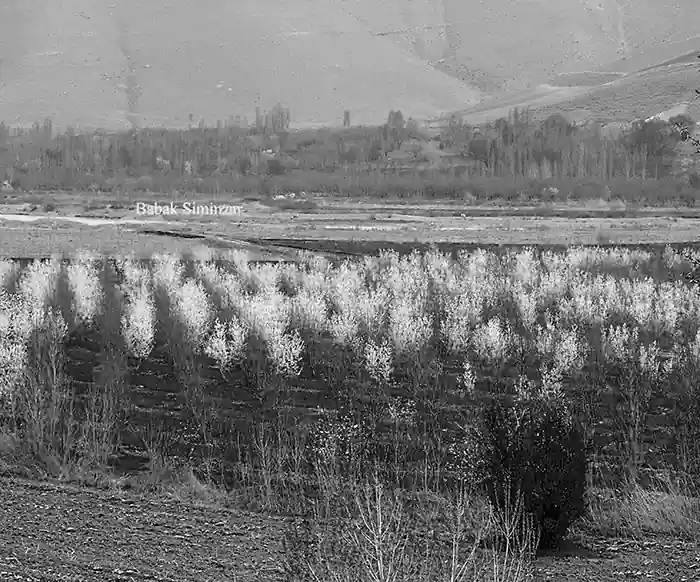
Many of these visual techniques are also explored in black and white photography focused on contrast, texture, and atmosphere.
Different color filters influence monochrome images in different ways. For example, red filters often darken blue skies and increase dramatic contrast, while green filters can brighten leaves and natural textures.


Other specialized filters, such as infrared filters, are used less frequently but can produce highly unusual and surreal black and white images under certain conditions.

Using Shadows Creatively
Because black and white photography removes color from the image, photographers often rely more heavily on shadows and light contrast to create visual depth and emotional atmosphere. Soft shadows can produce calm and elegant images, while stronger shadows may create mystery, tension, or dramatic intensity.
Shadows can also be vast and convey a sense of grandeur.

Using Large Bright Areas
Large bright areas within black and white images can create a feeling of openness, softness, and visual simplicity. Minimal compositions often rely on these bright spaces to direct attention toward the main subject.

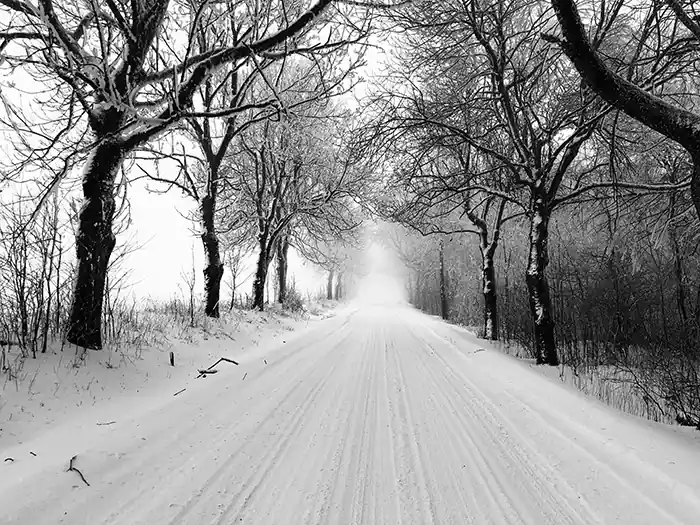
Contrast as a Visual Tool
Strong contrast is one of the most important elements in black and white photography. High-contrast images immediately attract attention and create visual impact, while softer contrast can produce calmer and more atmospheric photographs.


Understanding Tonal Balance
Dark tonal images often create emotions such as mystery, seriousness, or tension, while brighter tonal images may feel softer, cleaner, and more optimistic. Controlling tonal balance is essential for shaping the emotional atmosphere of a black and white photo.
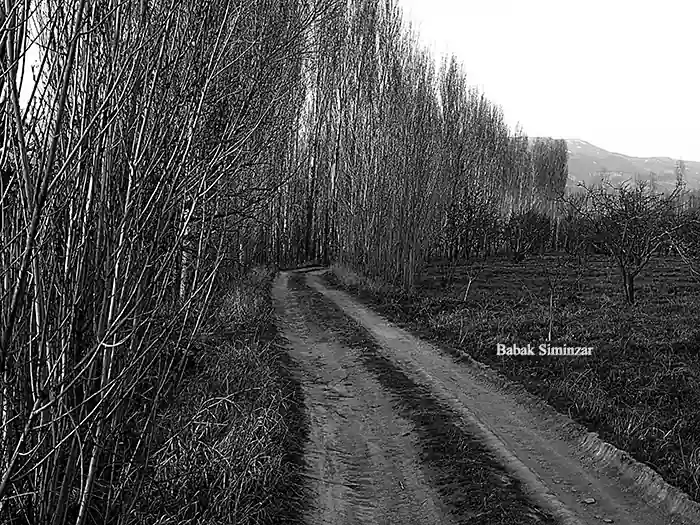


Shapes and Lines in Black and White Photography
Shapes, patterns, and lines become especially important in black-and-white photography because color is no longer available to guide visual attention. Architectural structures, roads, tree branches, shadows, and geometric forms often become dominant visual elements within monochrome compositions.

Please take a look at Black and White Images Gallery for more images.


Using texture
Textures add depth and visual richness to black and white photos through repeating details and surface patterns. Wood, stone, metal, fabric, water, and plant surfaces can all become powerful monochrome subjects because texture remains visible even without color.

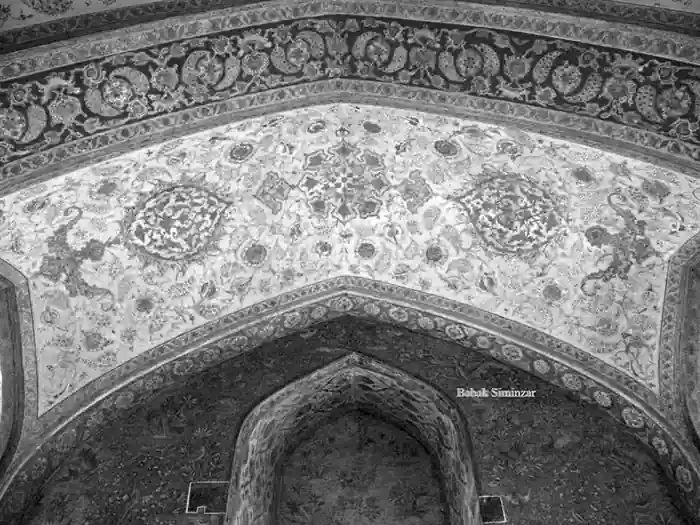
Composition in Black and White Photography
Composition plays a major role in successful black-and-white photography. Since color distractions are removed, viewers pay greater attention to balance, subject placement, contrast, and visual structure. Simple compositions are often more effective in monochrome photography than overly crowded scenes.


Popular Styles in Black and White Photography
Many photographers develop recognizable visual styles in black and white photography by emphasizing either simplicity or visual complexity.
Minimal black and white photography often uses only a few visual elements within large empty spaces. A distant figure walking through snow, a small boat beside a pier, or layered mountain silhouettes can create calm and emotionally powerful compositions through simplicity alone.
These minimal images usually contain limited detail and rely heavily on atmosphere, balance, and negative space rather than complex visual information.
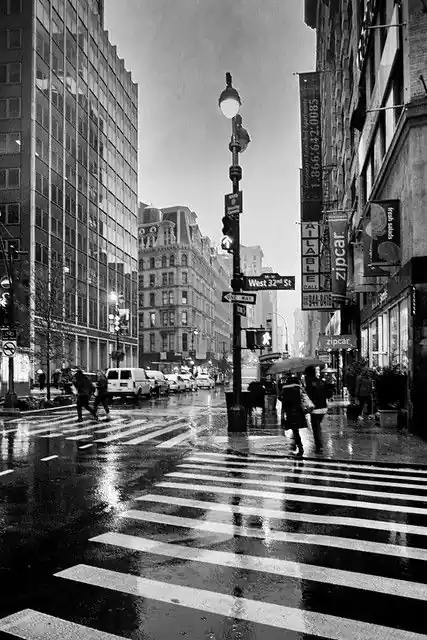
Other black and white photography styles focus on complexity and visual density, such as crowded street scenes, architectural environments, or highly detailed urban compositions. In these images, contrast, texture, and layered details become central visual elements.

Black and White Portrait Photography
Portrait photography is especially effective in black and white because facial expressions, wrinkles, body language, and lighting become more visually prominent without the distraction of color.
Portrait photography is especially effective in black and white because facial expressions, wrinkles, body language, and lighting become more visually prominent without the distraction of color.

Black and White Photography Ideas at Home
Simple household objects, flowers, books, kitchen tools, windows, and indoor shadows can become effective subjects for black and white photography at home. Everyday objects often reveal interesting textures and shapes when photographed without color.

Conclusion
Because black and white photography removes the visual influence of color, photographers must rely more heavily on contrast, shadows, tones, composition, textures, and shapes to communicate emotion and meaning. These elements make black and white photography both more challenging and more creatively rewarding than many color images.
