

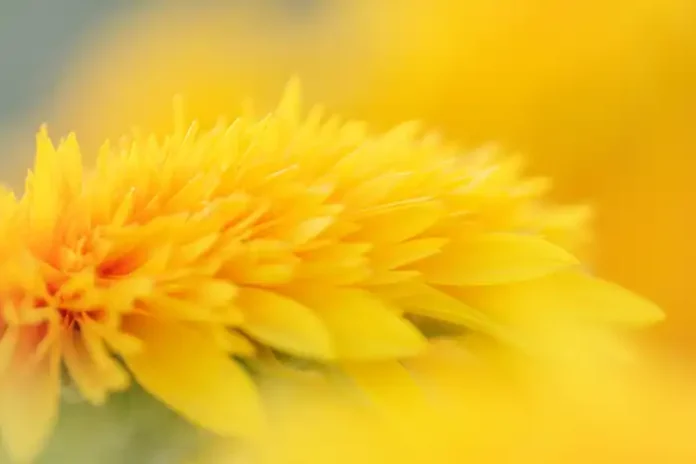
Abstract nature photography is a creative approach to photographing natural subjects in a non-literal way. Instead of documenting a scene exactly as it appears, the photographer focuses on form, color, texture, and visual perception. While this style may not be as common as traditional nature photography, it offers a different way of seeing and interpreting nature.
To understand abstract nature photography more clearly, it helps to reconsider how our perception of beauty and subject matter can evolve over time.
Abstract photography is not very popular, but it has its fans. Abstract images are inherently revolutionary subjects, and as civilization expands, more people will join the ranks of this style’s fans.
Topics
- Using Macro in Abstract Nature Photography
- Choosing the Right Subjects for Abstract Nature Photography
- Focus (and Defocus) in Abstract Nature Photography
- Unusual Exposure and Intentional Camera Movement in Abstract Nature
- Abstract Water Surface Waves
- Perspective, minimalism, and distance in abstract nature photography
- Composition
- Common Mistakes in Abstract Nature Photography
- Typical Landscape vs. Unusual Landscape
- When Does a Nature Photo Become Truly Abstract?
- Lensless photography, only for experimental use; beware of sensor dust
- Conclusion
- Sources
Please take a look at Abstract Images of Flowers, the Gallery, to see more images
Landscape, portrait, or macro photos reflect reality, but what if the photographer does not follow the standard path and refuses to highlight facts?
This is where abstract photography is born. Of course, the photos are probably still real, but the photography method has been changed so that the main scene is not explicit and must be guessed. If you would like to see how these concepts appear in finished works, you can explore our curated abstract photography gallery for visual examples.
Therefore, judging the picture is more subjective and will be different and more diverse according to the experience and sensitivities of different people.
Abstract nature photos are usually based on real subjects, but they are captured or processed in ways that make the main scene less explicit and more interpretive. Nature is a good source for such images; we use it to access various subjects. If you’d like to explore the broader concept, you can read more in my related articles on the abstract photography category.
Using Macro in Abstract Nature Photography
You can get so close to the subject that the viewer cannot tell what is being photographed, like the growth rings of a cut tree trunk. Or sunflower stamens!
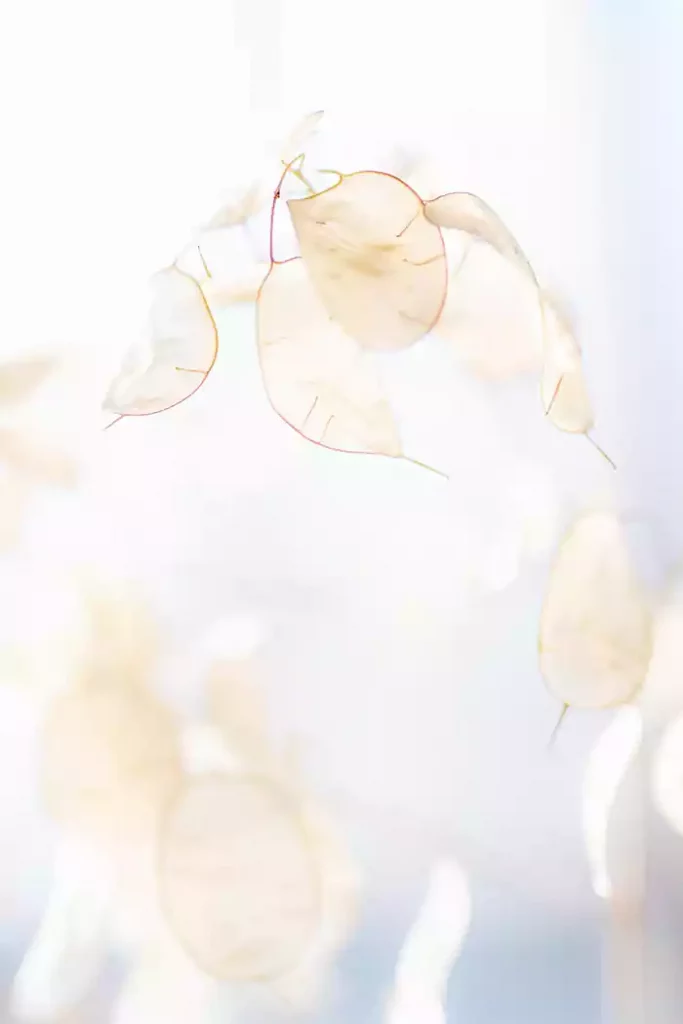
You can get so close to the subject that the viewer cannot tell what is being photographed, like the age strips of a cut tree trunk. Or sunflower stamens!
In macro images, we usually get close enough to the flower to fill the screen. However, if the flower is so large and its components can be magnified and highlighted, the viewer may mistakenly recognize what they see. This is where people take refuge in their imagination. Everyone has their interpretation. Flowers and plants are exciting subjects for abstract nature photography.
For example, this flower was large, and the petals were visible, but the shape and border of the flower could not be seen. It is clear that the image is a flower, but it is unclear what the flower is.

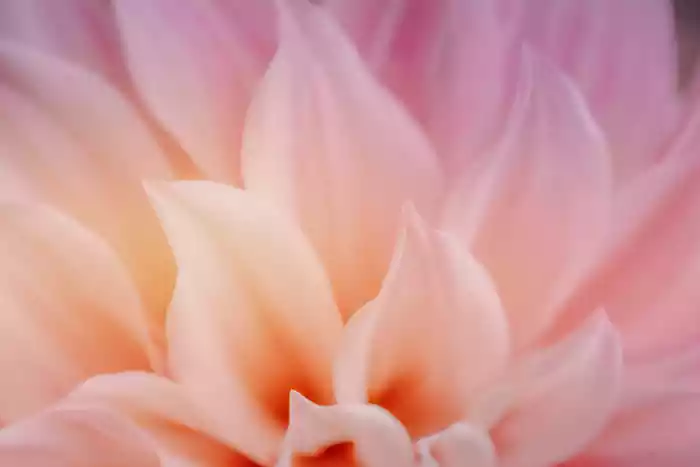
In the following example, I got as close as possible to a large flower with a 35mm macro lens. I have almost abandoned the main subject and paid so much attention to the details that the viewer can not visualize the story’s reality. The angle has also changed; the image is strange; this is an abstract nature picture.
Everyone can have a specific interpretation of it. Some viewers may find it unclear at first glance, while others enjoy interpreting it freely. Okay, but many can fall in love with it and match its color with their home decor because of the ambiguity. They will enjoy watching it, and in their imagination, they will liken it to a scene, maybe!

Sometimes, macro photos are inanimate objects; it is enough to look attractive, so why not ?!
Abstract nature photography does not require a literal message. Its impact often comes from visual relationships—contrast, rhythm, balance, or color harmony—rather than narrative explanation.
Abstract photography doesn’t always need a clear message. The goal is often visual interest—unexpected forms, unusual framing, or deliberate ambiguity
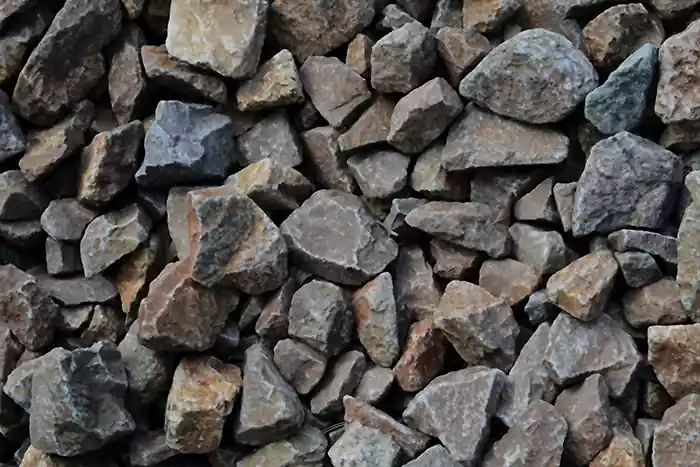
No one has put them together regularly, but they have been put together regularly by chance, and ironically, they have some standard shapes.
Choosing the Right Subjects for Abstract Nature Photography
Not every natural scene works equally well for abstraction. Subjects with texture, repetition, or strong tonal contrast tend to produce better results. Bark, sand, water reflections, frost, leaves, and flower details are often effective starting points. When choosing a subject, look for visual rhythm rather than recognizable form.
Focus (and Defocus) in Abstract Nature Photography
Another way to create abstract images is to use focus creatively rather than conventionally. In traditional photography, we usually focus on the target subject. Slight defocus can reduce recognizability and strengthen abstraction.
The subject may be a petal in front of a macro image, and the background is blurred with this method. Alternatively, the depth of field may be in a landscape.
These rules can be changed in an abstract picture. For example, the following image is a macro photo that has become an abstract nature photo due to its very short distance.
The point is that if we deliberately change the focus in an image and blur it a bit, we create a better abstract idea by softening recognizable details…
By changing the focus, we moved further away from reality and realism and towards surrealism. Now, the subject is more mental and significant, suitable for abstract nature photography.

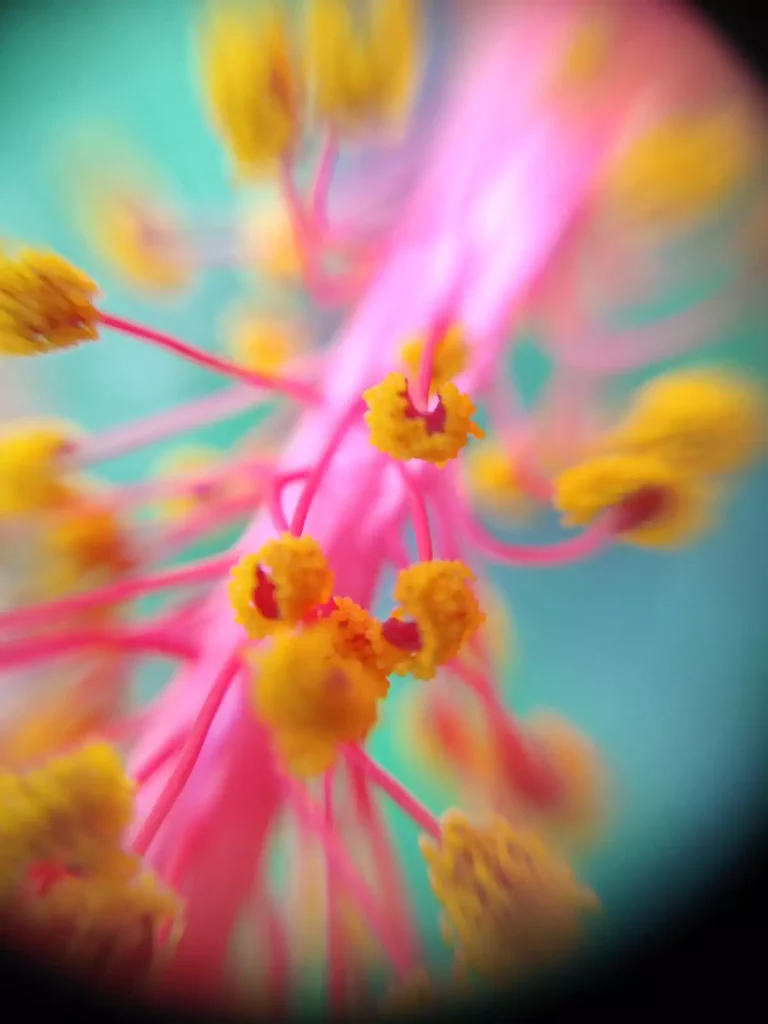
In the next photo, again, I got so close to the plant that it was no longer clear what plant it was. The point here is that extreme proximity can remove identification; even the photographer may not recall the exact species.

Unusual Exposure and Intentional Camera Movement in Abstract Nature
In traditional photography, an attempt is made to shine an appropriate amount of light on the sensor so that the image can be seen in the best possible way.
In traditional photography, exposure is carefully controlled to preserve detail. In abstract nature photography, this balance can be intentionally disrupted. Overexposing or underexposing the image removes clarity and introduces abstraction.
Intentional camera movement further transforms light into lines and patterns. Using a slower shutter speed helps achieve smoother and more expressive results.
We can significantly underexpose or overexpose intentionally to create abstract nature photography. In this way, the picture will no longer be routine.
It is better to have a slow shutter speed to get a good result while moving the camera. With experience, repetition, and creativity, remarkable results can be obtained.
This approach is often explored further in abstract photography style, where form and light replace recognizable subjects.

Abstract Water Surface Waves
Water is one of the most versatile subjects in abstract nature photography. Whether it is a calm lake or a moving river, different shutter speeds and lighting conditions can transform its appearance.
For example, using an ND filter in daylight allows slower exposures, turning moving water into soft, blurred forms.

Perspective, minimalism, and distance in abstract nature photography
Minimalism shifts attention away from the subject itself and toward the surrounding space. The subject in the photo is minimal, and you paid more attention to the environment around it.
Combining minimalism and abstraction is exciting, so macro photography is not the only possible method!
Distancing oneself from the subject and changing perspective can disrupt the structure of the image, changing the shapes and making them meaningless. Using telephoto lenses in this way can be beneficial.
Used carefully, this approach can produce strong abstract results.
Composition
Composition is a critical component in traditional photography for creating a beautiful image.
In most cases, excellent and spectacular abstract nature pictures are obtained when we do not observe the composition, and the photographer adopts an unusual angle and framing of the shooting scene.
Unusual framing, unexpected angles, and selective focus often produce stronger abstract results than conventional composition.
Composition remains important in abstract photography, but traditional rules become more flexible.
Common Mistakes in Abstract Nature Photography
Even when using strong techniques, abstract nature photography can fail if the frame becomes cluttered or overly complex. One common mistake is including too many elements, which reduces abstraction. Another is relying only on blur without considering composition. Strong abstract images usually balance simplification with visual structure.
Typical Landscape vs. Unusual Landscape
Traditional landscape photography often relies on a balance between sky and ground. In abstract work, these conventions can be intentionally broken.
Removing or simplifying elements can create more interesting results, but the image must still contain a strong visual point to avoid appearing incomplete.
Even if we do not disassemble the components of the image and allow them to remain in their proper form, the photo must still contain an interesting point. Otherwise, it may simply look like a failed landscape rather than an abstract image.
For example, when determining the light angle, we must be careful so that the light from the sky does not darken the components of the earth.
In the following picture, only the sky can be seen. However, the shape of the clouds, as well as the color of the sky, are fascinating.

In this one, the mountain details are not precise, and the earth is too dark due to excessive sky light.
But the mountains and hills, with their different heights, sank in the fog, and the mist made the whole sky white and indistinct.

These ideas are often explored further in abstract landscape photography, where composition and structure remain essential.
When Does a Nature Photo Become Truly Abstract?
A nature photo becomes abstract when identification is no longer the primary focus. If the viewer notices pattern, tone, or movement before recognizing the subject, the image has moved toward abstraction. This shift can happen through proximity, exposure, focus, or framing. Understanding this transition helps guide creative decisions.
Overlapping Frames (Multiple Exposures)
Some cameras allow multiple exposures by combining several frames with different settings. This can also be achieved in post-processing. The frame or lighting can be changed each time. For better results, use a tripod.
If your camera doesn’t support it, you can create a similar effect in post-processing.
Using this method, photographers have created good abstracts. The initial idea only requires a little creativity.
Shooting from Above for Abstract Results
Shooting from above simplifies complex scenes and reduces detail. Try to focus from a distance, or try not to focus accurately.
Even slightly imperfect focus can enhance abstraction. A drone can be helpful, but it is not required.
Lensless photography, only for experimental use; beware of sensor dust
Lensless photography is experimental and can introduce dust to the sensor. If used, it should be done carefully.
Conclusion
Abstract nature photography offers a different way of seeing nature. By using proximity, unusual focus, exposure changes, or intentional camera movement, you can transform reality into form, tone, and texture.
