

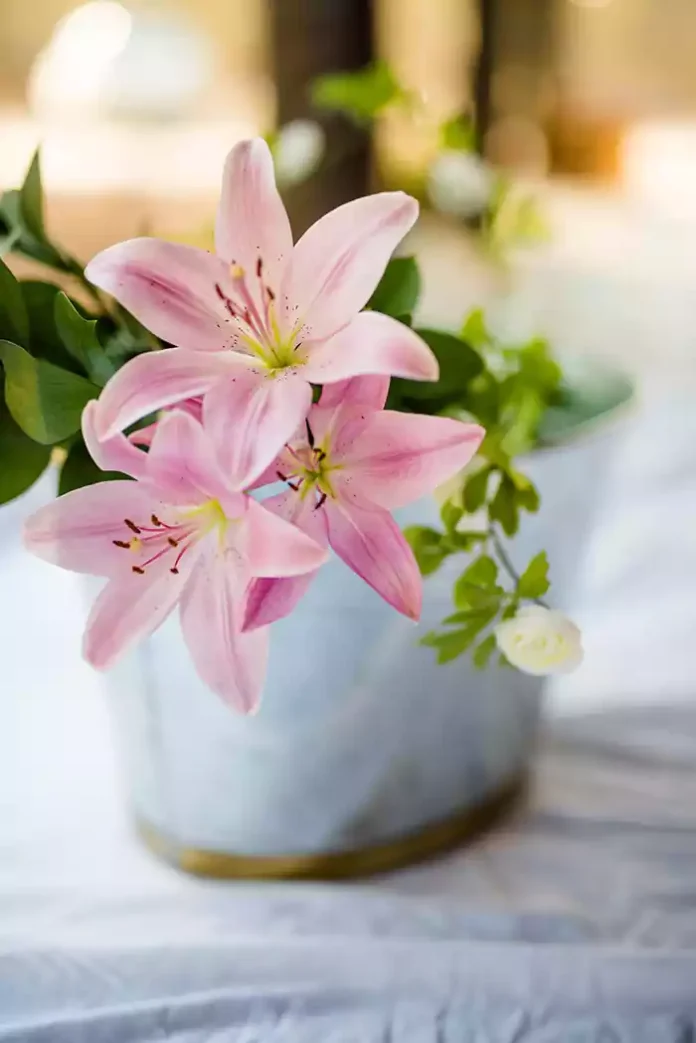
Close up photography focuses on photographing subjects from a short distance so they fill most or all of the frame. Although it shares similarities with macro photography, close-up photography is generally less extreme in magnification and often focuses more on composition, atmosphere, and visual impact than microscopic detail.

Topics
Close up photography definition
Differences Between Close-Up, Macro, and Micro Photography
In close up photography, the camera is usually positioned slightly farther from the subject than in macro photography. The exact distance depends on the size of the subject and the capabilities of the lens being used.
Macro photography is commonly used for photographing insects, flower details, buds, and other very small subjects. In close up photography, larger flowers or objects may fill the frame without revealing extremely fine microscopic details.
Of course, what I said was approximate and not definitive. The fact is that all the parameters can be changed to the photographer’s taste. Also, the size of the object, the angle, and the environmental conditions of photography effectively change the parameters.
The main difference is usually the distance from the subject and the level of magnification. Macro photography focuses on smaller details at closer distances, while close-up photography often captures larger portions of the subject with a more natural sense of scale.
In micro photography, magnification increases to the point where the subject appears at a scale similar to that seen through a microscope.
What Lens Should You Use for Close Up Photography?
Unlike macro photography, close up photography often does not require a dedicated macro lens. Many standard lenses can produce excellent close up images if they allow the photographer to focus at relatively short distances. At close range, flowers and plants may gradually transform into patterns, textures, and abstract forms — a visual quality often explored in flower macro photography.
Macro lenses have a magnification of about 1: 1 to 2: 1. To take close-up photos, a magnification of 0.20 to 0.25 is enough.
Micro photography is done with lenses magnifying more than 1. These lenses are expensive and can show details close to what is seen under a microscope.
Micro is not very popular compared to the two methods previously described.
Close-Up Photography Subjects
Almost any object can serve as a subject for close-up photography, including flowers, plants, household objects, cups, watches, tools, fabrics, and natural textures. Creativity often matters more than the subject itself.
At home, photographers can experiment with everyday objects and simple arrangements to create artistic close-up images. The placement of objects, lighting, colors, and composition all influence the emotional atmosphere and visual meaning of the photograph.
Flowers are especially effective subjects for artistic close-up photography because of their textures, colors, layered petals, and natural shapes.
In natural environments, plants often offer endless opportunities for close-up photography due to their variety of textures, forms, colors, and lighting conditions.
Walking through natural landscapes often reveals interesting plants, textures, and details that can make strong subjects for close-up photography.

Searching for Subjects in Nature
When photographing in nature, reviewing images on a larger screen can sometimes help photographers check sharpness, exposure, and fine details more accurately than using the small camera display alone.
Carefully reviewing photographs during outdoor sessions can prevent photographers from missing important details or discovering technical problems only after returning home.
Wind can become one of the biggest challenges in close-up plant photography because even slight movement may blur delicate subjects during shooting.
Many outdoor photographers carry backpacks designed for cameras, lenses, and accessories to make long walks in nature more practical.
Unexpected situations can also become part of outdoor photography experiences. During one trip to Kashan in early spring, extremely cold weather damaged my laptop display after it remained inside the car for several hours. Experiences like this remind photographers to protect their equipment during long outdoor trips.

Close-Up Photography of Animals
Photographing animals at close distances may require lenses with longer focal lengths because many animals become cautious or move away when approached too closely.
I once photographed a turtle using a 35mm macro lens while lying close to the ground to avoid disturbing the animal. Surprisingly, the turtle reacted to the sound of the shutter and slowly moved closer to the camera, allowing me to capture a close portrait of its face.
Close-Up Flower Photography Ideas
Many flower photographers creatively manipulate backgrounds, colors, and atmosphere to produce more artistic close-up images. Dark backgrounds, soft overlays, color blending, gradients, and selective blur can transform ordinary flower photographs into more emotional and visually expressive compositions.
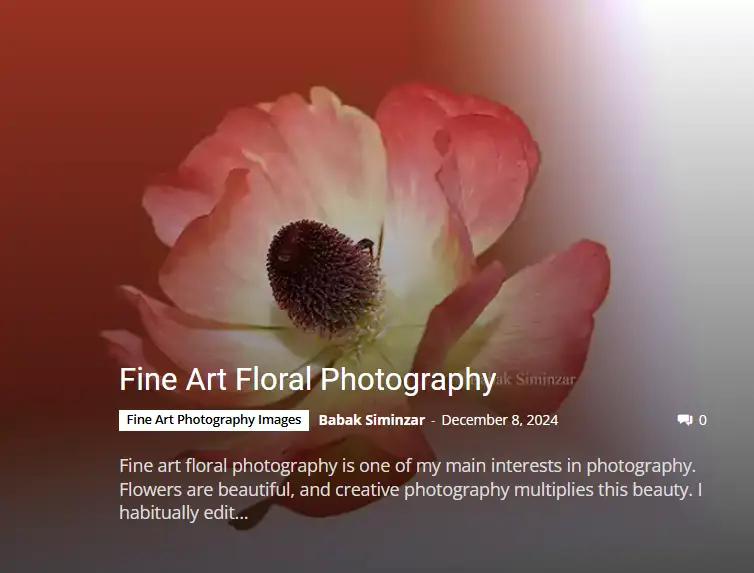
Please look at the Fine Art Floral Photos Gallery for more images
When flowers appear in large groups or repeating patterns, they can fill the entire frame with color and texture. Including the sky or surrounding environment may also create a stronger sense of scale and atmosphere in the final image.
Choosing a Lens for Close-Up Photography
A suitable close-up lens should allow photographers to focus at relatively short distances while maintaining good image quality. Many standard zoom lenses can work effectively for close-up photography if they support close focusing distances.

Close-Up Photography Techniques
Indoor Close-Up Photography
Indoor photography allows photographers to control lighting, composition, and subject placement more easily than outdoor photography. Tripods, artificial lighting, reflective surfaces, and controlled backgrounds can help produce cleaner and more detailed close-up photographs.
What do you need to avoid when it comes to lighting?
Under no circumstances should the light shine to the front of the lens. Otherwise, it will destroy your beautiful photo.
The only exception is sunrise and sunset photography, which has its own method.
Camera
Great if you work with a DSLR, but it is not necessary at all. In the field of close up photography, you can work with any camera and any facility. There is only one essential requirement: your camera lens must allow you to get close enough to the object.
So try it now. Can you get close enough to a rose with your camera to fill the entire frame?
If the answer is yes, you are a lucky person. If not, you must crop the photo using software like Photoshop to keep only the flower. Unfortunately, this reduces the number of pixels and produces a low-quality image. But you are not the only person who has to use the Crop tool.
Many photographers use this method. But you need to know how to compensate for this shortcoming in graphic software.
Aperture size and speed
Many photographers like to capture the background sharply and clearly. Therefore, they use narrow aperture sizes such as f / 22 or f / 16. But this method requires enough light, which may not be available.
I am not in this category; actually, I use a wider aperture. First, it allows me to work even in low light. Second, it enables high speed, which prevents the blurring of the image due to the handshake. It blurs the background, but the flower itself is recorded in detail.
This method makes the flower appear prominent in the photo and attracts attention.
Whether you can use an aperture of f / 5.6, f / 4, f / 3.5, or f / 2 depends on the quality of your lens. More expensive lenses allow low-light shooting in this way. It is possible to use f / 2 size in high-quality lenses.
ISO or Flash?
If the ambient light is low and even the wide aperture is not enough, you have two options: raise the camera ISO or use the flash. I usually increase the ISO.
However, if the ISO goes above a certain level, it will cause color noise in the photo. Deleting it with Photoshop is not easy. This limit varies depending on the camera technology and the year of manufacture.
For example, in my Olympus e 510, the last usable ISO is 800, and the ISO 1600 creates noise.
So do not be ashamed to use the flash. The result is excellent; I tried it myself!
Autofocus or manually focus?
Autofocus is much more accurate and faster. Naturally, we tend to use it. But sometimes, you want to take a picture of a set of objects or plants in a frame. And your goal is to focus on the subject in the middle.
This situation means that you want to blur the things, in front of the queue and at the end of the line. Unfortunately, if these objects are small and a short distance apart, you will get in trouble with autofocus.
You need a DSLR. DSLRs can focus on many points at a time. Otherwise, you have to set the camera to focus manually. Well, now you are relieved of the camera’s annoyance! Take any photo you like!
In the past, before digital cameras were made, we used to take pictures in the same way.
Composition
It is one of the most critical issues. Even an amateur photographer should not ignore it. Failure to pay attention to this will reduce the quality of good photos.
Please make sure the object is in the middle of the frame when shooting. Or the components of the photo have a significant relationship with each other.
For example, a stem that enters the frame from somewhere and exits the frame from another place does not communicate with the other components. And the rest of the parts of the plant, whose only stem can be seen in the photo, are also left out of the frame.
If you can not solve these problems while shooting, you have only one solution, software!
Close-up photography pictures editing in Photoshop
It can be one of your best choices. I can not summarize everything that can be done with Photoshop in one paragraph. I’ll briefly mention a case. For example, when you look at your photos, you may come across an image that is beautiful but has an exposure problem. Or the camera may have been shaky, so the picture is not sharp.
With Photoshop, if you have the necessary skills, you can use that image to make it suitable and usable. And if you are familiar enough with it, you can show many other creations.

Conclusion
Images created by close-up style can be unique. This method of photography does not require expensive equipment.
Start with whatever camera you have and create beautiful photos.
Good Luck!
